On this page16 sections
- Importance of Learning Management System for Modern Education and Training
- What Is a Learning Management System?
- Why Is a Learning Management System Important?
- 1. An LMS Organizes Learning Content in One Place
- 2. An LMS Makes Online Learning More Accessible
- 3. An LMS Saves Time for Teachers and Administrators
- 4. An LMS Helps Track Learner Progress
- 5. An LMS Improves Training Consistency
- Importance of LMS for Different Types of Organizations
- Key Benefits of Learning Management System
- What Features Make an LMS Valuable?
- LMS vs Traditional Learning: Why Does It Matter?
- What Are the Limitations of a Learning Management System?
- How to Choose the Right LMS Platform?
- Why the Importance of LMS Will Continue to Grow
- Create Better Learning Experiences With the Right LMS

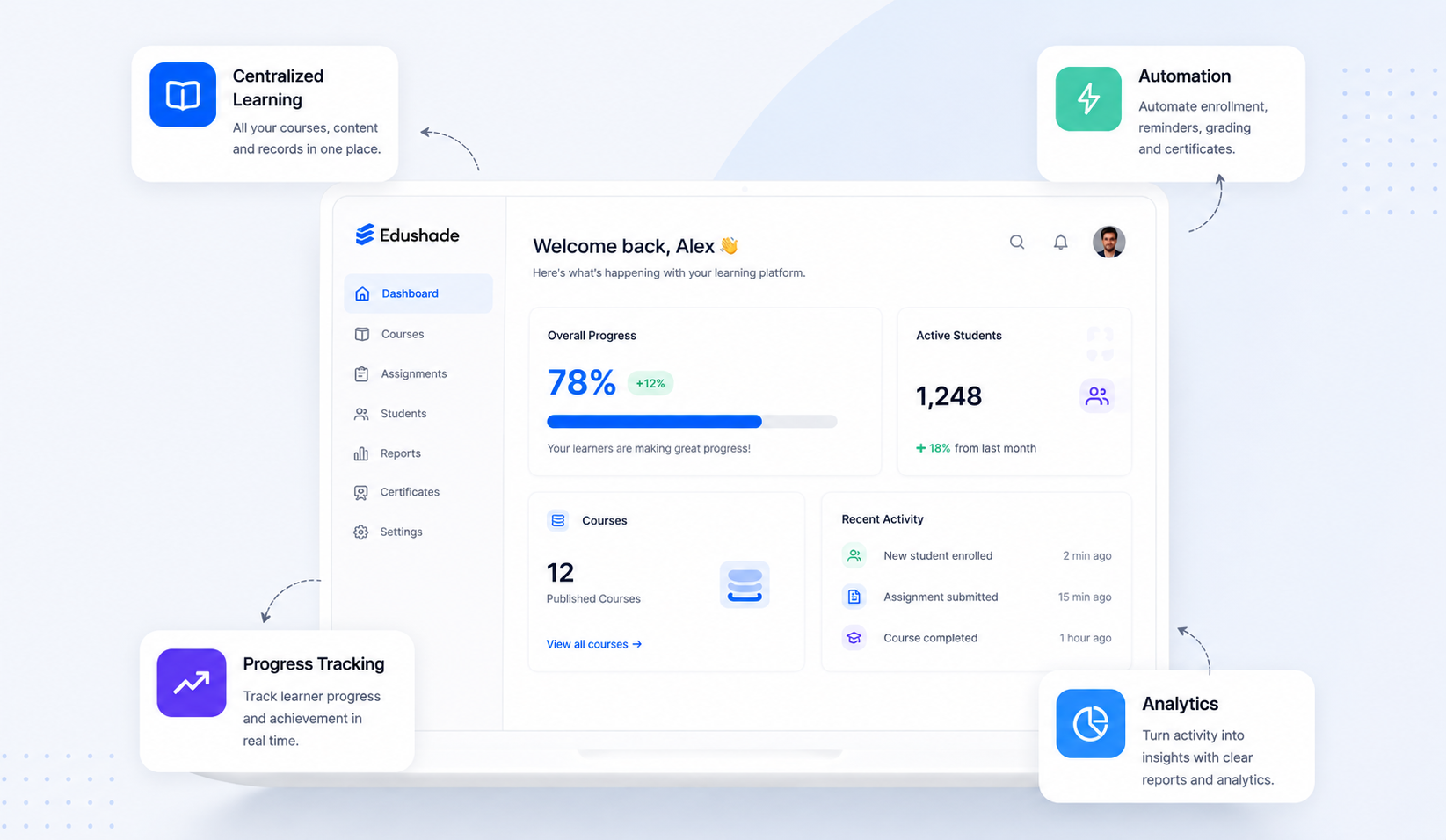
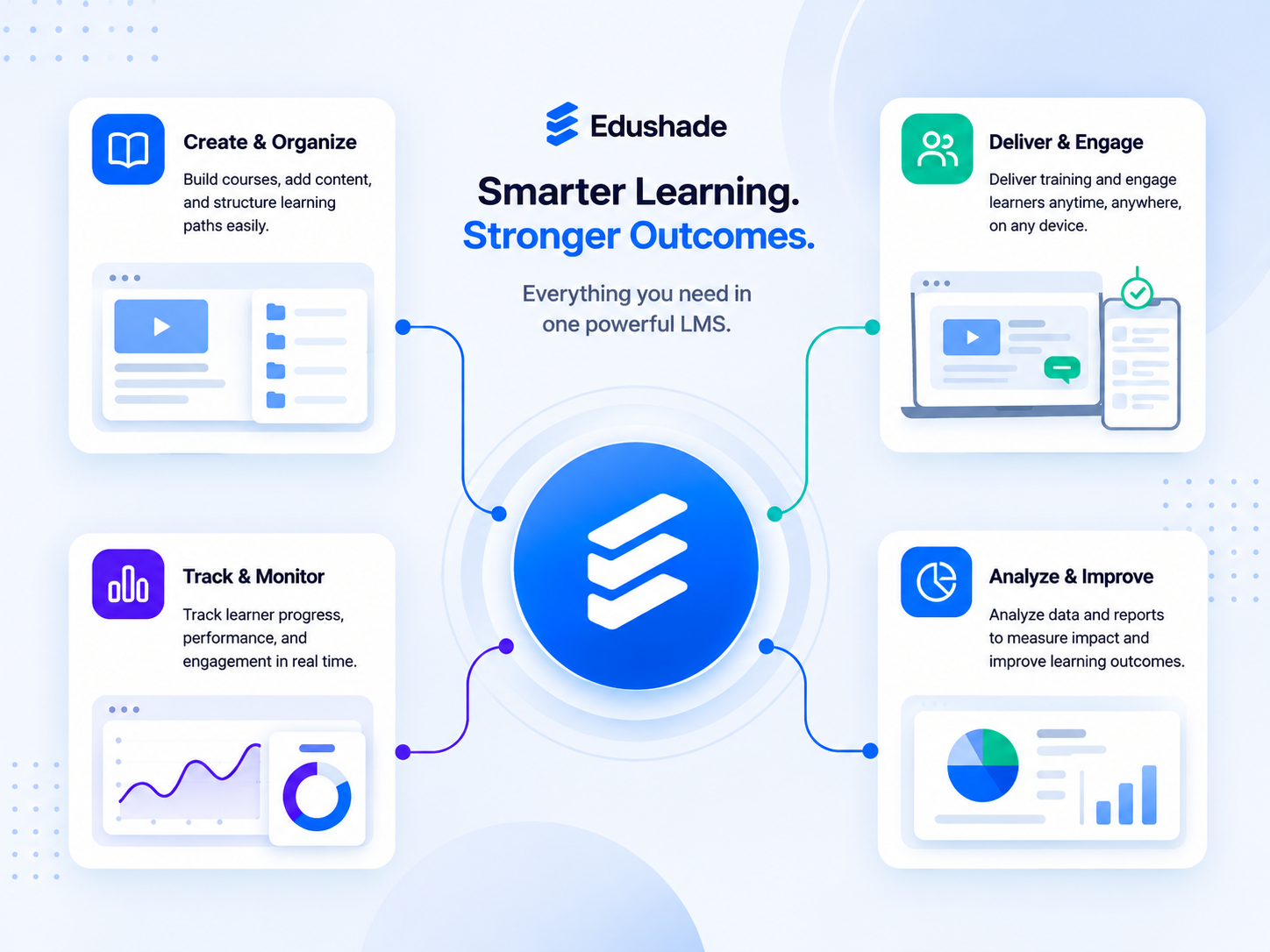
A learning management system (LMS) is important because it helps organizations create, deliver, manage and measure learning in one place. It gives educators, schools, universities, tutors, coaches, and businesses a structured way to organize courses, support learners, track progress, and improve training outcomes without relying on scattered tools.
Importance of Learning Management System for Modern Education and Training
The importance of a learning management system comes from its ability to simplify how people learn and how organizations manage education. An LMS brings courses, learners, instructors, assessments, and learning data together in one digital environment.
Without an LMS, many organizations manage learning through disconnected tools such as email, shared documents, spreadsheets, and separate video platforms. This approach can become difficult to maintain as the number of learners and courses grows.
A modern LMS creates a more organized learning workflow. Teachers can focus more on teaching, course creators can build better programs, and businesses can deliver consistent training experiences.
What Is a Learning Management System?
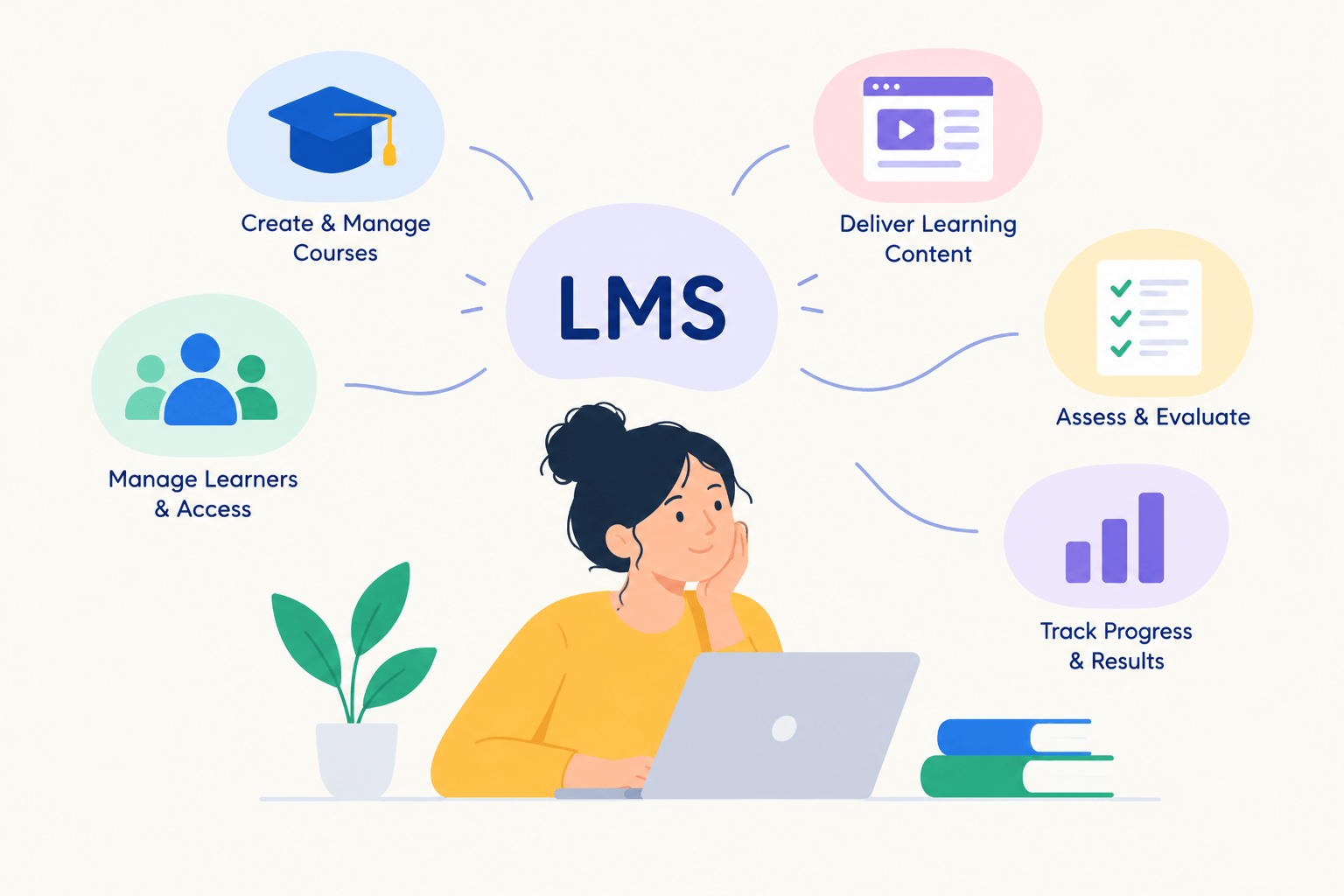
A learning management system (LMS) is software that allows organizations to create, deliver, manage and track educational content and training programs. It acts as a central platform where instructors create courses and learners access lessons, complete activities, and receive feedback.
In simple terms, an LMS works like a digital learning center. It combines course materials, learner accounts, assessments, communication tools, and reporting features into one system.
Organizations use LMS platforms for different purposes, including:
- Online education
- Employee training
- Professional development
- Customer education
- Certification programs
- Academic learning support
The exact features vary between platforms, but the main purpose remains the same: making learning easier to organize and measure.
Why Is a Learning Management System Important?
A learning management system is important because it creates structure, improves accessibility, and provides visibility into learning activities. It helps organizations move from manual training processes to a more organized digital learning approach.
The value of an LMS is not only the technology itself. The real benefit comes from using the platform to create better learning experiences, improve administration, and support learners throughout their journey.
1. An LMS Organizes Learning Content in One Place
One major importance of an LMS is centralized content management. Instead of storing lessons, videos, assignments, and resources across multiple locations, organizations can keep learning materials inside one platform.
For example, an online academy can organize beginner, intermediate, and advanced courses within the same LMS. Students can find lessons easily, while instructors can update course content without managing multiple versions.
This organization improves consistency because learners receive the correct materials through a structured learning path.
2. An LMS Makes Online Learning More Accessible
An LMS makes learning accessible by allowing learners to access courses digitally. Students, employees, or customers can often complete training from different locations and at flexible times.
This is especially useful for:
- Online course creators serving global audiences
- Universities supporting distance learning
- Businesses training remote teams
- Coaches delivering structured programs
However, accessibility depends on good platform design, internet availability, content quality, and learner support. An LMS provides the foundation, but effective learning still requires thoughtful course design.
3. An LMS Saves Time for Teachers and Administrators
A key benefit of a learning management system is reducing repetitive administrative work. Tasks such as organizing course materials, assigning lessons, collecting assessments, and tracking completion can become easier to manage.
For teachers, this means less time on paperwork and more time supporting students. For administrators, it means better control over courses, users and learning records — bulk enrollment and automated notifications remove most of what used to be manual.
An LMS does not remove the need for human involvement. Instead, it helps educators and trainers spend their time on activities that require expertise and interaction.
4. An LMS Helps Track Learner Progress
One of the most important LMS features is progress tracking. The system can record learner activities such as completed lessons, assessment results and course completion.
For example:
- A teacher can identify students who need extra support.
- A training manager can check employee course completion.
- A course creator can understand learner engagement.
Learning analytics help organizations make better decisions about course improvements and learner support.
5. An LMS Improves Training Consistency
Consistency is another reason why learning management systems are important. When organizations train large groups of learners, delivering the same information to everyone can be challenging.
An LMS allows organizations to provide standardized learning experiences. Every learner can access the same course structure, resources and assessments, released on the same schedule.
This is valuable for:
- Employee onboarding
- Compliance training
- Academic programs
- Professional certifications
A consistent learning process helps organizations maintain quality as they grow.
Importance of LMS for Different Types of Organizations
The importance of an LMS depends on the organization’s learning goals. Different users benefit from LMS platforms in different ways.
Importance of LMS for Teachers and Educators
For teachers, an LMS provides a structured way to create lessons, share resources, communicate with students, and monitor progress.
Instead of managing classroom materials separately, educators can create a complete digital learning environment where students know what to study and how to complete activities.
Importance of LMS for Course Creators and Coaches
For course creators and coaches, an LMS helps transform knowledge into organized online programs.
A coach can create modules, add learning activities, provide assessments, and guide students through a structured experience. This makes online education easier to manage compared with sending files or links manually.
Edushade supports tutors and learning businesses that want organized digital learning. The features pages document each workflow rather than describing it in the abstract.
Importance of LMS for Schools and Universities
Schools and universities use LMS platforms to support classroom teaching, blended learning, and online education.
The schools and universities page sets out the institutional requirements in more detail. An LMS can help institutions:
- Share course materials
- Manage assignments
- Support communication
- Organize academic resources
- Monitor student participation
The platform becomes a central connection point between instructors and learners.
Importance of LMS for Training Businesses
Training businesses use LMS software to deliver structured programs to employees, customers, or professional learners.
For example, a training team can create different learning paths for beginner and advanced learners while tracking participation and completion.
This makes it easier to manage larger training programs without increasing manual administrative work.
Key Benefits of Learning Management System
The benefits of a learning management system extend beyond simply hosting online courses.
| Benefit | How It Helps |
|---|---|
| Centralized learning | Keeps courses and resources organized |
| Progress tracking | Shows learner activity and completion |
| Flexible access | Supports online and remote learning |
| Better administration | Reduces manual management tasks |
| Scalable training | Helps organizations support more learners |
| Learning insights | Provides data for improving courses |
Our longer piece on the benefits of an LMS works through each of these with the trade-offs attached.
What Features Make an LMS Valuable?
The importance of an LMS depends heavily on the features it provides. A useful LMS should support both instructors and learners.
Important LMS features include:
Course Creation and Management
A strong LMS should allow educators to create lessons, organize modules, upload resources, and structure learning paths.
Assessment Tools
Quizzes, assignments, and evaluations help measure whether learners understand the material.
Learner Management
Administrators should be able to manage users, assign courses, and organize learner groups.
Reporting and Analytics
Reports help organizations understand learner activity and identify areas for improvement.
Communication Features
Discussion tools, announcements, and feedback options can improve interaction between instructors and learners.
LMS vs Traditional Learning: Why Does It Matter?
The importance of an LMS becomes clearer when comparing it with traditional learning management methods.
| Traditional Learning | LMS-Based Learning |
|---|---|
| Physical materials | Digital resources |
| Manual records | Automated tracking |
| Limited access | Flexible online access |
| Paper assessments | Digital assessments |
| Difficult reporting | Learning analytics |
Traditional learning remains valuable, especially for direct classroom interaction. An LMS does not replace traditional teaching; it expands the ways learning can be delivered and managed.
What Are the Limitations of a Learning Management System?
Although an LMS provides many advantages, organizations should understand its limitations.
An LMS requires:
- Time to set up courses
- Training for instructors and administrators
- Regular content updates
- A strategy for learner engagement
How to Choose the Right LMS Platform?
Choosing an LMS starts with understanding your learning goals. The best LMS is not always the one with the most features; it is the one that matches your organization’s needs.
Consider these questions:
✓ Who will use the LMS? ✓ How many learners will you manage? ✓ What types of courses will you create? ✓ Do you need assessments and reporting? ✓ Is the platform easy for teachers and learners to use? ✓ Can it support future growth?
For educators and businesses, the right LMS should make learning simpler, not more complicated.
Why the Importance of LMS Will Continue to Grow
The importance of learning management systems continues to increase because education and training are becoming more digital, flexible, and data-driven.
Organizations need better ways to deliver knowledge, support learners, and understand whether training programs are effective.
Whether you are a tutor creating online courses, a school managing digital classrooms, or a business building training programs, an LMS provides the structure needed to organize learning at scale.
If you want the narrower question answered directly, read what the purpose of an LMS is or compare what Edushade documents against your own requirements.
Create Better Learning Experiences With the Right LMS
The importance of a learning management system comes from its ability to bring learning content, people, and data together. An LMS helps educators, schools, universities, and businesses create organized learning experiences while making management easier.
The practical next step is to identify your learning goals and choose an LMS that fits your learners and workflow.